



Signs of a Struggling Reader – What Can a Parent Do?


As a mom, you know your kid better than anyone. So when something feels off with how they’re reading, that gut feeling is worth paying attention to. With spring here and summer just around the corner, I wanted to share some insights from Dr. Steve Truch, Founding Director of The Reading Foundation, who has spent more than three decades helping kids across Canada become confident readers.

Is Your Child Showing These Signs?
With spring already here and summer approaching, this can be a good time to take a closer look at your child’s progress in reading and writing.
If your child avoids reading on their own, makes frequent errors when reading aloud, struggles with spelling, or says they “don’t like” to read, pay attention. These are signs that your child needs a closer look.
For some students, learning to read and spell seems to come naturally, while for others it can feel confusing and frustrating. Becoming a strong reader and speller requires developing several underlying “building blocks.” Difficulties with these foundational skills are not always obvious, but challenges with reading and spelling often are.
Why Phonics Instruction Matters
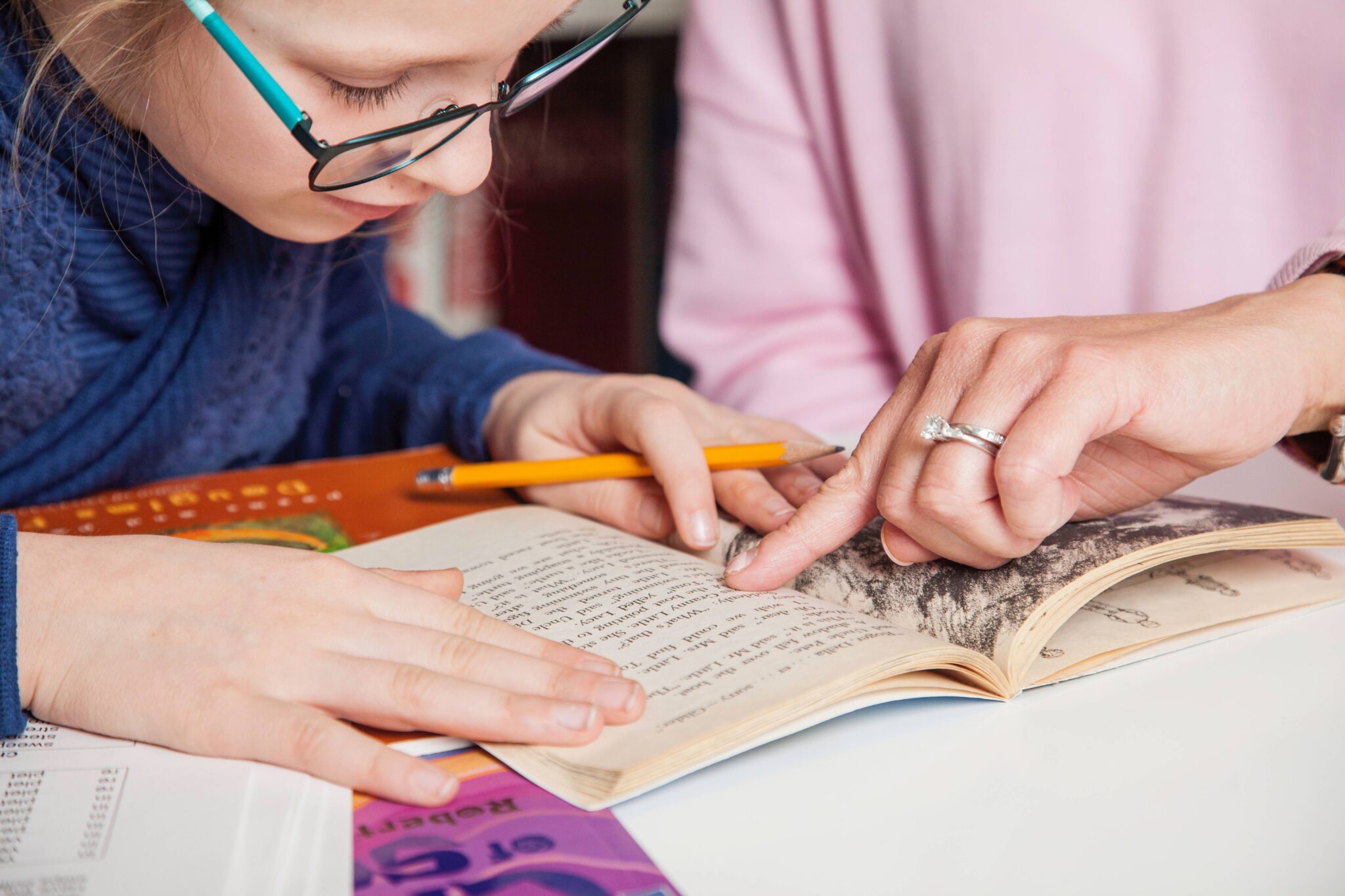
Understanding the sounds (phonemes) in spoken words and how those sounds are represented in written English forms one of the most important building blocks of reading. English contains 44 phonemes but only 26 letters to represent them, which means students must learn how sounds and spellings connect. This is why phonics instruction plays an important role in learning to read.
There are two general approaches to phonics instruction. The most common introduces a letter first and teaches that the letter “makes” or “says” a sound. This is often called a “print-to-speech” approach. Because English spelling is complex, this method can lead to a long list of rules, many of which are inconsistent and difficult for students to apply.
Researchers and educators recognize the “speech-to-print” approach as a more effective method. In this model, students start with the sounds they already know from spoken language and then learn how to spell those sounds using letters or letter combinations. This approach better reflects how language works and can make reading and spelling feel more logical and manageable.
What Parents Can Do
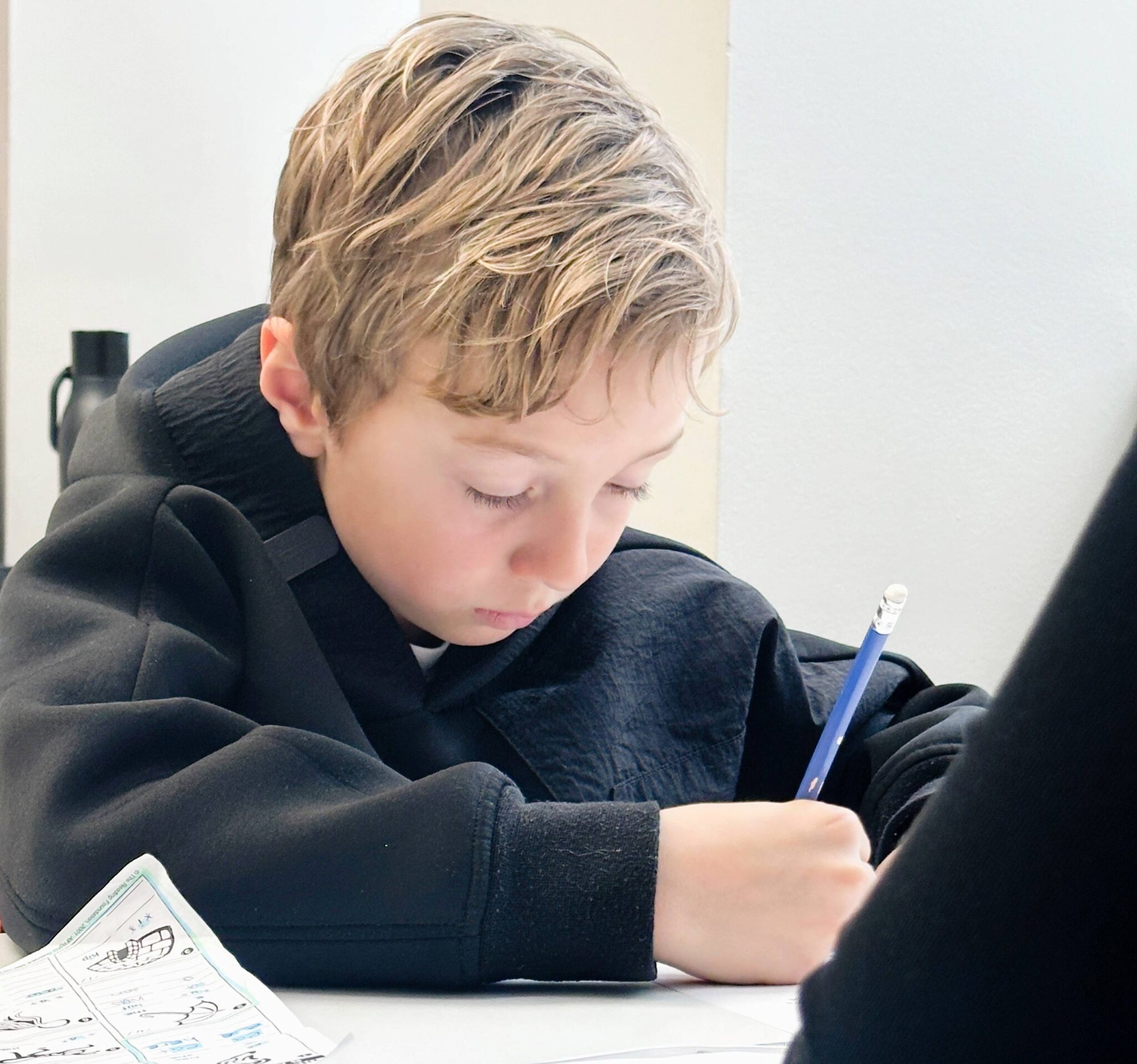
Helping struggling readers and spellers strengthen these foundational skills requires careful assessment and specialized instruction. While parents can learn about these concepts, delivering an effective program takes training and experience.
For more than three decades, The Reading Foundation has helped thousands of students across Canada strengthen their reading and spelling skills and gain confidence in their learning.
Spring and summer are excellent times to provide focused literacy support in a positive, encouraging environment where children can grow and thrive. Reach out to learn more or to book an assessment.
For more information about The Reading Foundation:
Website: The Reading Foundation
Instagram: www.instagram.com/thereadingfoundation/
Facebook: www.facebook.com/the.reading.foundation/
Written by Dr. Steve Truch, Founding Director of The Reading Foundation
This post is sponsored by The Reading Foundation
The Reading Foundation is a private clinic specializing in reading, spelling, writing, and math programs for kids and adults of all ages. Founded by Dr. Steve Truch, their science-based, one-to-one programs go beyond tutoring to create real, lasting results. With over 35 years of experience, they have helped thousands of students across Canada build confidence and skills that stick.